

Climate Change and Health in Vietnam
Consultation on the Disease Prevention Law, which covers climate change and mental health, with local stakeholders from Ha Tinh province, one of Vietnam’s most climate-vulnerable regions (Photo courtesy of To Thi Lien)
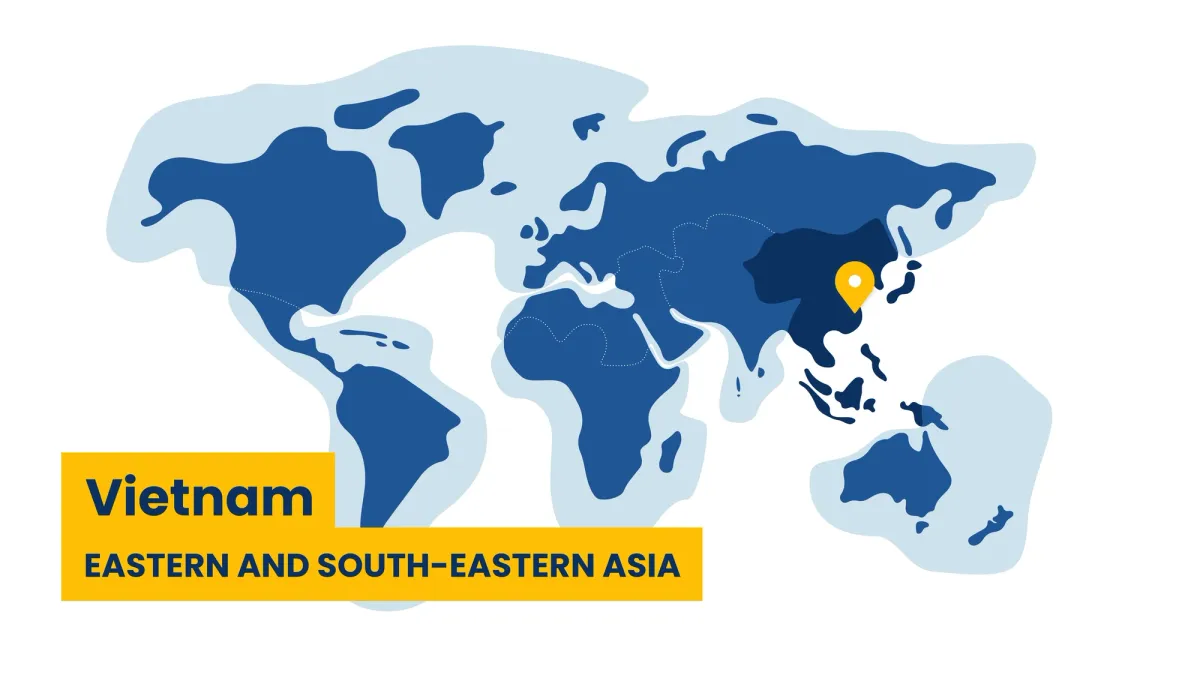
Vietnam is a low-middle-income country in Southeast Asia, with an area of 331,700 km2, a coastline of 3,444 km and a population of around 100 million, making it the world's fifteenth-most populous country. Being one of the countries most vulnerable to the risk of climate change impacts (1), Vietnam has been suffering from extreme weather events such as storms and cyclones that lead to disastrous events such as floods and landslides. Vietnam also faces increasing heat, air pollution, clean water scarcity, food security and safety, vector and ecology distribution and sea level rise.
Approximately 70% of residents live in coastal communities with high exposure to storms and floods. Each year, floods affect an estimated 930,000 people with a Gross Domestic Product (GDP) loss of USD 2.6 billion. In recent years, most regions have witnessed droughts, heat waves, and extreme cold successively. As temperature rises, the increase in heat stress on the Vietnamese population is expected to lead to negative health outcomes, particularly for poorer communities and outdoor laborers (2). Meanwhile, most of the extensive low-lying coastline and delta regions in Vietnam are highly vulnerable to rising sea levels, which also are expected to bring about a wide range of socioeconomic and public health impacts (3).
Mental Health Impacts of Climate Change
The Vietnam Environment Management Agency (VIHEMA) acknowledges mental and psychosocial health as climate-related health outcomes. People affected by climate-related hazards do develop symptoms of anxiety and depression and are diagnosed with post-traumatic stress disorder. They often relive the situation that caused them trauma with panic. According to a survey assessing the socio-psychological impact of storms and floods in Central Vietnam, people's psychology is affected before, during and after the events, but most notable immediately after (first week), and these effects normally last for the first 2 weeks, but in some special cases they can last for months. Children, women, the elderly, people from low socio-economic backgrounds and the disabled are the most psychologically affected by these events (4). Box 1 presents some direct quotes capturing lived experiences of climate change and mental health in Vietnam.