
Setting
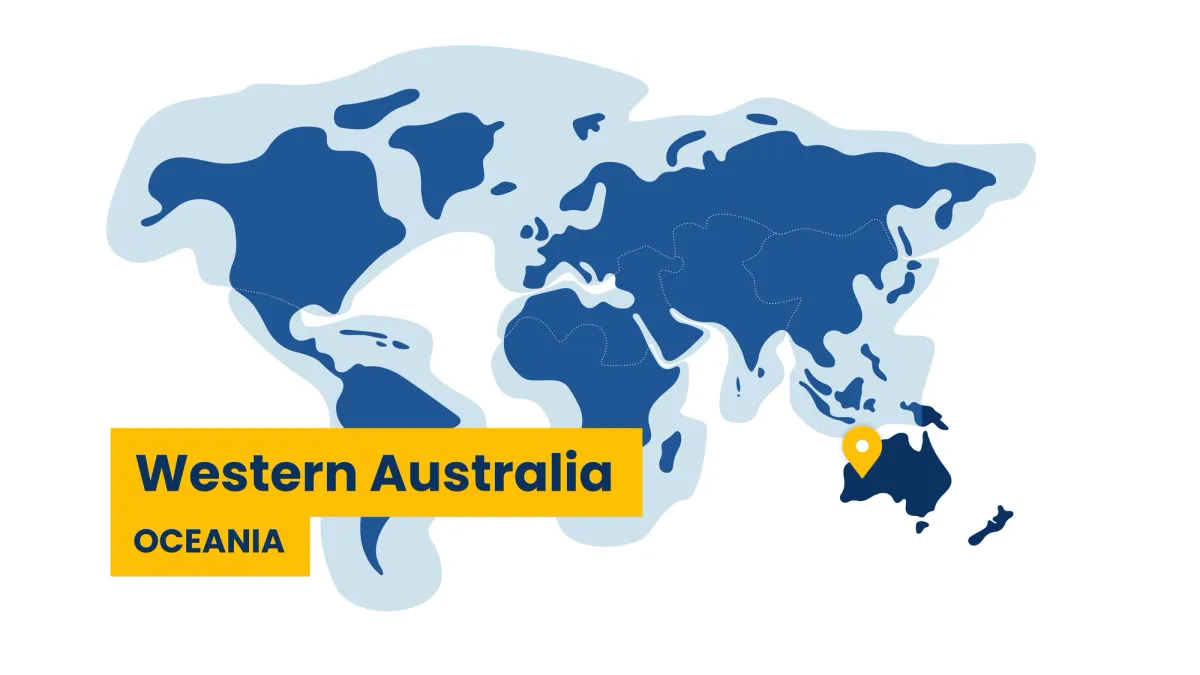
The state of Western Australia (WA) was colonised by Britain in 1829. WA comprises 2.5 million km2 (one-third of Australia’s landmass) with four climate zones (see Figure 1). WA has 2.66 million people including 89,000 Aboriginal and/or Torres Strait Islander peoples and 818,000 children and young people aged 0-24 (1). Mining is central to WA’s economy, particularly lithium, iron ore and natural gas (52.4%, 33.6% and 12.2% of global production, respectively), and WA’s petroleum sector was worth AU$52 billion in 2021-22 (2).
Figure 1: Climate classification map, Australia – temperature/humidity zones (3)
Impacts of climate change
Since 1910, WA’s average temperature has increased by 1.3°C (4). Rainfall has increased over most of WA except for significant decreases in the far west and southwest. Bushfire risk has increased. WA climate projections by 2050:
- Under a high emissions scenario, an average annual temperature increase of 1.5-2.4°C.Longer bushfire seasons with 40% more very high fire danger days.Sea level rise of 24cm.More intense extreme rain events.Significant rainfall decline in the southwest.
Mental health and wellbeing of WA children and young people
The Climate Health WA Inquiry found that climate change detrimentally affects the mental health and wellbeing of WA children and young people (5). Many express that they have feelings of worry, fear, ecoanxiety, solastalgia, anger, frustration, depression, grief, anxiety, and powerlessness about gradual and vicarious climate impacts on their futures. For Aboriginal children and young people, these impacts are exacerbated by climate change-related losses of sense of place, identity, culture, land, and customs informed by kinship relationships with Country: