

Objectives
This case study showcases how the mental health of a community is affected by severe drought due to climate and the steps taken to address this issue through capacity building via the Ibanikom Community Model in Cameroon. (https://kennethyongabianchang.com/projects/)
Background
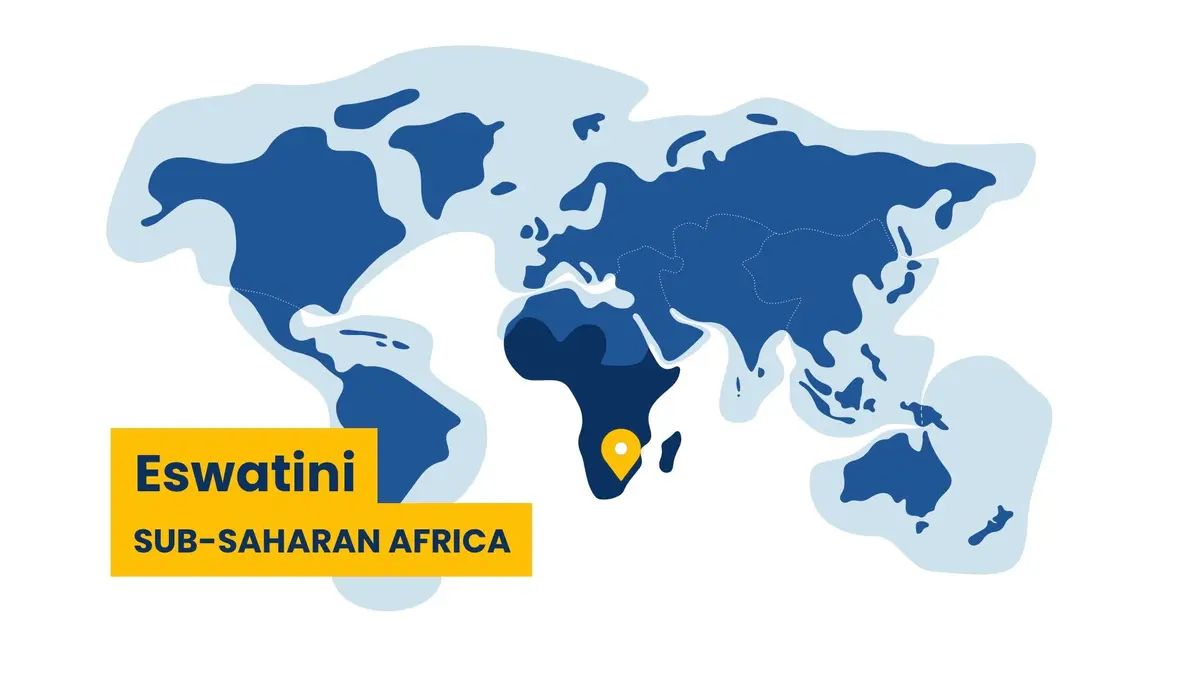
Name of village/community: Hillview and surrounding areas under Ngculwini Chiefdom in the Manzini region
Population: +/-650 community members (from the local government county)
Name of organisation: Youth and Women for Change in Eswatini
Effects of climate change in Eswatini
In Eswatini, climate change has led to overall warming and increased aridity, with a greater frequency and intensity of droughts, floods and wildfires. There is also reduced or zero rainfall leading to dry spells and increased evaporation, increased temperatures, decreased air quality and an increased prevalence of diseases transmitted by insects, animals, food and water. This has led to frustration, increased emotions and depression by many members of the community due to inability to cultivate their crops and earn income.
Burning fossil fuels, cutting down forests and farming livestock are increasingly influencing the climate and earth’s temperatures. This adds enormous amounts of greenhouse gases to those naturally occurring in the atmosphere, increasing the greenhouse effect and global warming. With increased temperatures, there have been cases of increased dehydration, anxiety, change in behaviours due to depression and grief.
This is a vulnerable community with life degenerating as climate change impacts hit hard. Prolonged drought has affected the drinking water sources and agriculture. As Picture 1 shows people cannot farm any longer, with a consequent reduction in available food.