

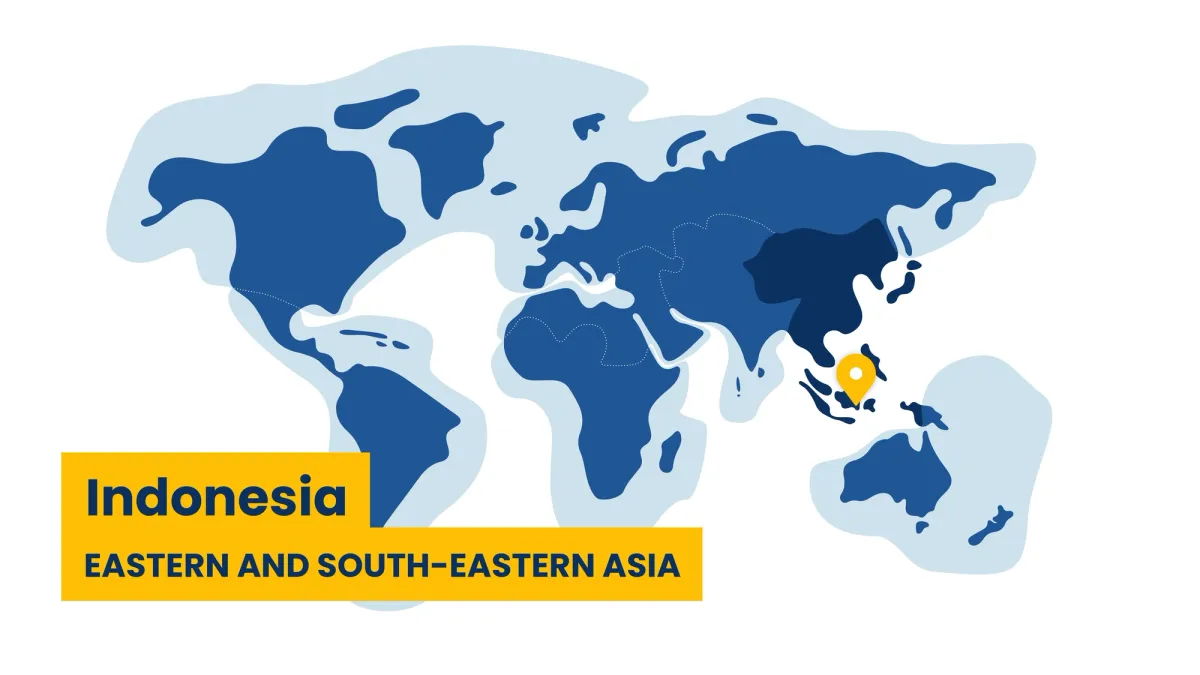
Indonesia and Alam Sehat Lestari (ASRI)
A logger decided to to stop logging and gave his chainsaw to ASRI (Photo courtesy of Stephanie Gee, visitor of ASRI)
An archipelago of more than 17,000 islands between the Indian and Pacific Oceans, Indonesia is a lower-middle income country in Southeast Asia with almost 280 million people. With its tropical geography, Indonesia is facing some of the most pressing environmental threats, including climate change, widespread deforestation, and loss of biodiversity, among others. These environmental problems are affecting not only the livelihood but also the health and wellbeing of the Indonesian people, especially the poor and the marginalized.
One of the organizations that is at the forefront of addressing Indonesia’s serious environmental challenges is Alam Sehat Lestari (ASRI), a planetary health organization based in West Kalimantan, Indonesia. ASRI embodies the vision of a sustainable and healthy future for communities close to natural ecosystems. It stands out for its unique model that seamlessly integrates environmental conservation efforts in Gunung Palung National Park (GPNP) with comprehensive healthcare services. This integration is based on the understanding that environmental issues such as climate change directly impact human health, and conversely, the health of communities can significantly influence their interaction with and treatment of the environment. By providing healthcare services, ASRI addresses immediate health needs while simultaneously engaging communities in activities that promote environmental conservation, such as reforestation. This dual approach not only alleviates the burden of disease but also fosters a sense of stewardship and responsibility towards the natural world.
ASRI’s Current Interventions
Addressing community health needs is at the forefront of ASRI's approach. This involves providing access to medical care and treatment for acute and chronic illnesses and implementing preventive measures to combat the spread of diseases. Some of ASRI’s initiatives include health education campaigns, vaccination programs, and mobile clinics. From 2008 to 2018, ASRI served more than 28,400 unique patients in rural Borneo (1).